The Tamang people are thought to be descended from Tibetans who migrated south, intermingling with the Tamangs who lived in the Helambu area. No one knows the exact time the group came to Nepal, but it is estimated to have been several centuries ago. Due to their background, Tamang villages such as Gatlang are some of the best places to visit if you wish to experience authentic Tibetan culture and lifestyle.
Shortly after the Tibetans arrived, there was a war between the two castes in the region: the Tamang (Buddhist) people and Hindu residents. The Tamang warriors won the war, and since then Buddhism has been the predominant religion in the Langtang region. The name “Tamang” still reflects this victory: “ta” means “horse,” and “mang” means “warrior.”
Unlike Nepali, which uses Sanskrit as its written alphabet, Tamang is a purely oral language.
Religion
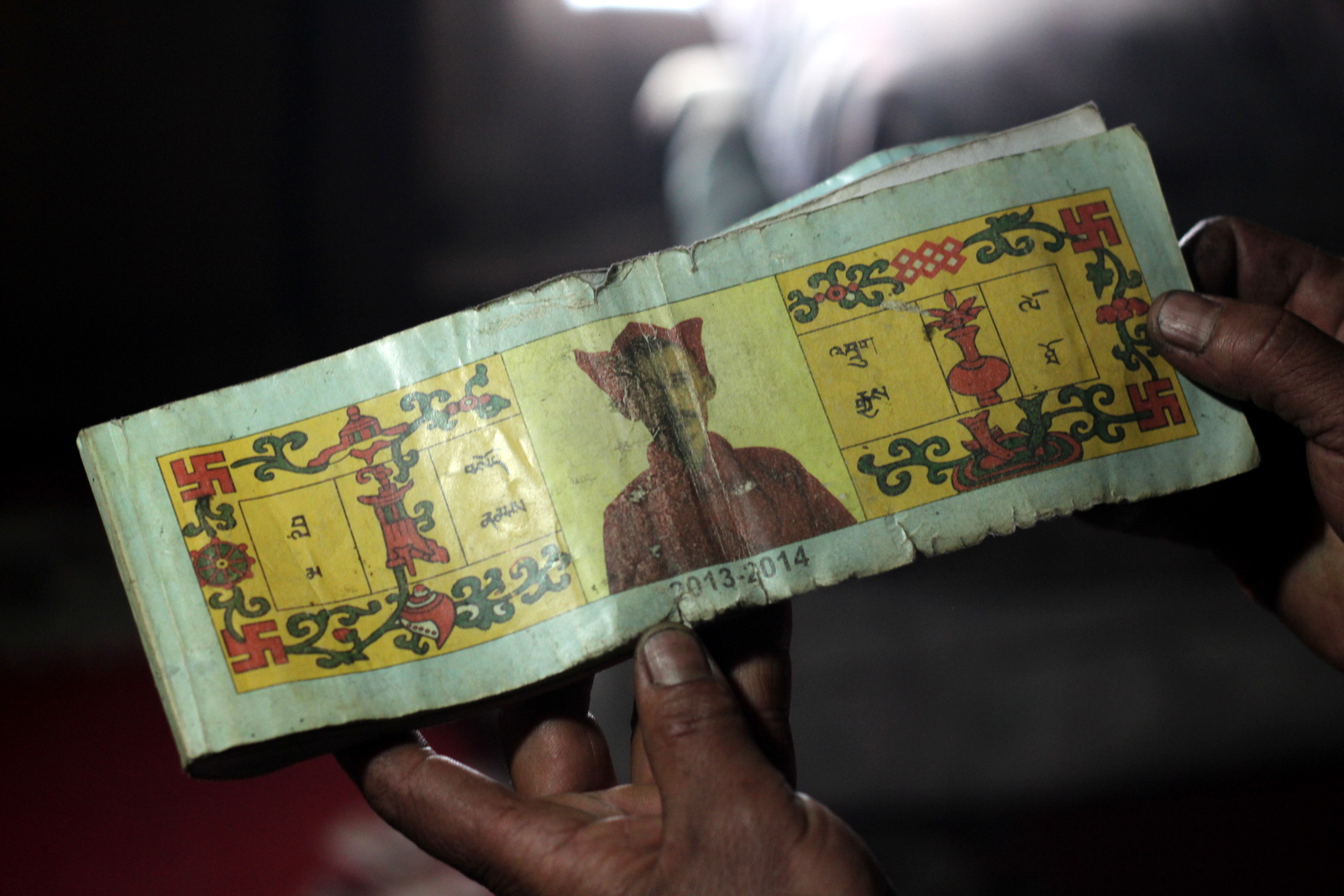
The Lama book for 2013-2014. A man must intensively study several of these books before he’s considered a Lama.
As mentioned, the majority of people living in Gatlang are Buddhist, with a few families having converted to Christianity. Buddhist tradition is very important to the village, and there are 15 Lamas living in Gatlang today (including your home stay proprietor, Tashi Lama). Lamas are similar to monks, however they are able to get married, eat meat, drink alcohol, etc.
Traditional Tamang towns are often scattered with large mani stones and chortens. Mani stone arrangements are built around the ashes of a Lama who has died. Chortens are much smaller, and are built around the ashes of other Tamang people. There is a line of both manis and chortens as you enter and leave Gatlang.
Preparation after-death is very important to the Tamang. When someone dies, their body is preserved for 49 days before a cremation ceremony is held.
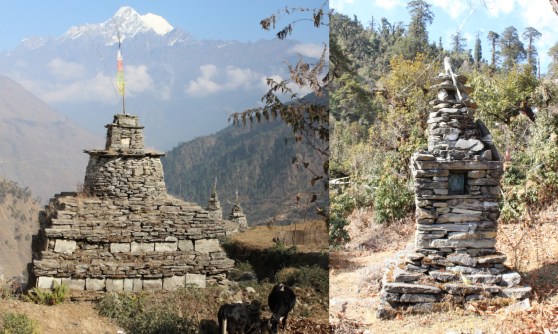
A mane stone arrangement (left) and one of many chortens in Gatlang.
Wardrobe
Most men and women in Gatlang still wear traditional Tamang clothing. Everything, from the dyed yarn to the clothing itself, is made in the village. Click on each image to expand, and see details of what the clothing is called in Tamang.
-
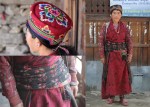
- Attire for women: in Tamang, the hat is called a “syade,” the belt is a “patuka,” and the wrap-around dress is called an “angdung”
-
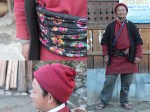
- Attire for men: in Tamang, the belt is called a “patuka,” the hat is a “syade,” the red shirt is a “syoldo,” and the black overcoat is a “bakhu”
-
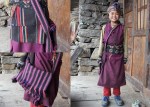
- Additional attire for women and girls: the rainbow piece that is folded over the waist belt is a “gunyi” and the bag is called a “koda zola”
Festivals
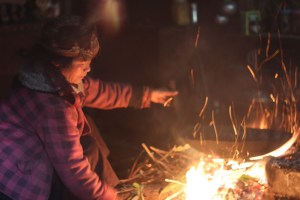
Juniper sprigs are burned in the hearth as part of Tamang New Year celebrations.
There are a number of special events in Gatlang – in fact, Tamang people celebrate four different New Years every year!
January 15 – Tamang New Year: This is the most important New Years celebration. The day starts at 5 a.m., when the family wakes up and washes their faces. This represents the cleansing of wrongdoings from the previous year. Around lunch, everyone in the village showers, another tradition thought to give the year a fresh start. The rest of the day is about relaxing, eating and drinking.
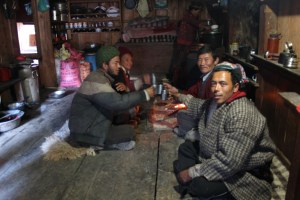
Gatlang men drinking homemade raksi on Tamang New Year.
Men often spend the day playing Nepali shuffleboard, cards and volleyball, as well as sipping mugs of local raksi. Breakfast is a kole (soup) made up of nine different foods, representing the nine ostentatious symbols in Buddhism.
Other New Years events include:
January 1 – Western New Year
March 2 – Tibetan New Year
April 1 – Nepali New Year
There are also two, week-long celebrations in Gatlang, one in the old village (Khe Dho), one in the new. This festival is called Mane Jatra and is meant to celebrate the historical victory of the Tamang people over the Hindu caste. The festival happens in the old village starting Nov. 1, and takes place in new Gatlang on May 14.
 Parpati Kunda Home Stay
m proud 2 be tamang n glad 2 knw abt tamang history n want 2 uplift tamang caste’s festivals values customs n their unique appearance 2 entire world
hey sumitra !!!
thank you for your clearify heart and being proud to be tamang and being tamang as well i am really glatfull about that. we need to co-operative to discover whats our ethnic group in nepal and their important for tourism industry so keep always forward and keep love for tamang..
regards
santosh tamang